

Last updated on July 20th, 2025 at 03:29 am
Things change fast in business. You already know that. Teams grow, plans shift, and what worked six months ago suddenly feels clunky. That’s exactly what’s happening with office spaces. The old way of locking into long-term leases? It’s losing steam. Businesses—yours included—need more room to pivot. More flexibility. And that’s why setups like CANOPY shared office spaces in San Francisco are starting to feel less like a luxury and more like common sense.
The Hidden Costs of Conventional Office Leases
You sign the lease. The place looks decent. Everything’s set, right? However, problems then arise. Your team grows—or maybe shrinks—and the space doesn’t fit anymore. You’re stuck. Not just with square footage that doesn’t work, but with bills that don’t budge.
There’s furniture to deal with. Wi-Fi to manage. That weird buzzing light that nobody’s fixing. And every change? It’s slow, expensive, or both.
Worse still, you start paying for space you barely use. Desks sit empty. Meeting rooms go dark. And suddenly, that “perfect” space feels like a money pit. It’s not just about rent. It’s about all the stuff that comes with it. And most of it, you didn’t ask for.
Shifting Priorities – What Modern Teams Really Want
A few years ago, showing up at 9, sitting at your assigned desk, grinding till 5, and clocking out was just how it was. Nobody questioned it. Office culture was about routine. Predictability. Maybe even a little rigidity.
But then the world changed. Now? People want more. More autonomy, more comfort, more humanity in the workplace. They want spaces that reflect how they live, not just how they work.
Think about your team. When was the last time someone asked for a corner office? Probably never. They’re asking for quiet rooms. Or cozy spots where they can focus. Or lounge areas to recharge after back-to-back Zooms.
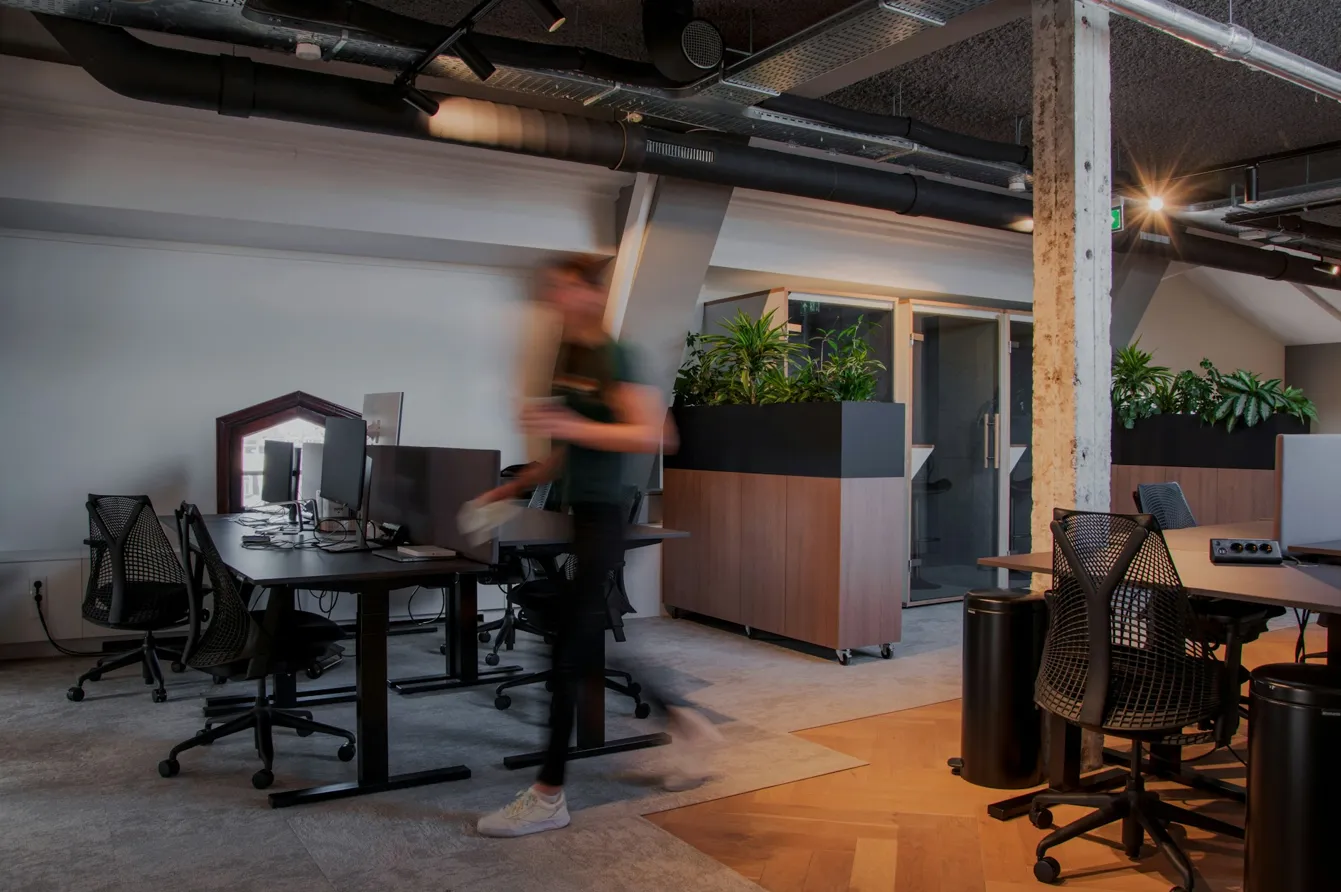
They want natural light, plants, and warm textures. Not harsh fluorescents and beige walls. They want a space where they can breathe. Where their brain can turn on and not feel like it’s trapped in a box.
It’s also about control. No one wants to feel locked into a rigid work style. Some days call for deep focus. Others are all about collaboration. And the office should be able to shift with that. Fluidly. Seamlessly. Like a well-designed app, you enjoy using it.
The Rise of Modular and Flexible Office Models
So what’s the answer? Flexible spaces. Ones that change when you do.
Need two desks this month and ten next? Done. Want to meet clients in a polished room today but work solo tomorrow? That works too.
This isn’t just about saving money (though yeah, you will). It’s about giving yourself options. Letting your space adapt to your business, not the other way around.
And you don’t have to sacrifice quality either. These spaces can be quiet, clean, and beautifully designed. Not chaotic, not loud, not awkward. Just smart. Intentional. Built for the way people actually work.
You walk in, and it just feels right. You don’t have to think about the little stuff—because someone else already did.
Workspace as a Business Strategy
Think about it. Your office is more than a backdrop. It says something. When clients walk in, they notice. When your team shows up, they feel it. And when you’re trying to close a deal or brainstorm the next big idea, your surroundings matter.
You don’t need the biggest space on the block. But you need the right one. A space that fits your brand. Reflects your values. One that helps your team focus, build, and connect.
That’s why your office shouldn’t just be a checkbox. It’s part of your strategy. Just like hiring the right people, or choosing the right tools. It deserves that kind of attention. Because the right space doesn’t just support your business. It shapes it.
Wrapping It Up
There’s no rulebook anymore. You don’t have to do things the way they’ve always been done. You can pick a space that grows with you. One that gives your team the tools—and the energy—to do their best work. Long leases? They’re starting to look a little outdated. What matters now is finding the right balance between flexibility and professionalism. And once you get that right? Everything else starts to click.

