

Preventing costly repairs in older buildings comes down to a steady, proactive plan. These buildings have history and character, but they also have age-related issues that can quickly turn into big expenses if ignored. The key is to know where older systems are weak and put prevention ahead of reaction.
With steady maintenance, early checks, and smart planning, owners can protect their investment and keep these buildings strong for years. If you want expert help with this work, Nova Construction Services offers full solutions for older properties.
Maintenance costs can take a large share of a building’s budget-often 15% to 18%, and in some cases up to 40% of total production costs. The U.S. Department of Energy reports that nearly $50 billion goes to industrial equipment maintenance each year, with a lot of that money lost to surprise breakdowns and poor planning.
This shows why a strong preventive maintenance plan matters, especially in older buildings where failures can lead to high repair bills and long closures.
Why Costly Repairs Happen in Older Buildings
Older buildings may look solid and charming, but time and weather wear them down. If small issues are left alone, they grow into big repairs that disrupt daily life and drain budgets. Knowing the main causes helps you stop problems early.
Common Causes of Deterioration in Aging Structures
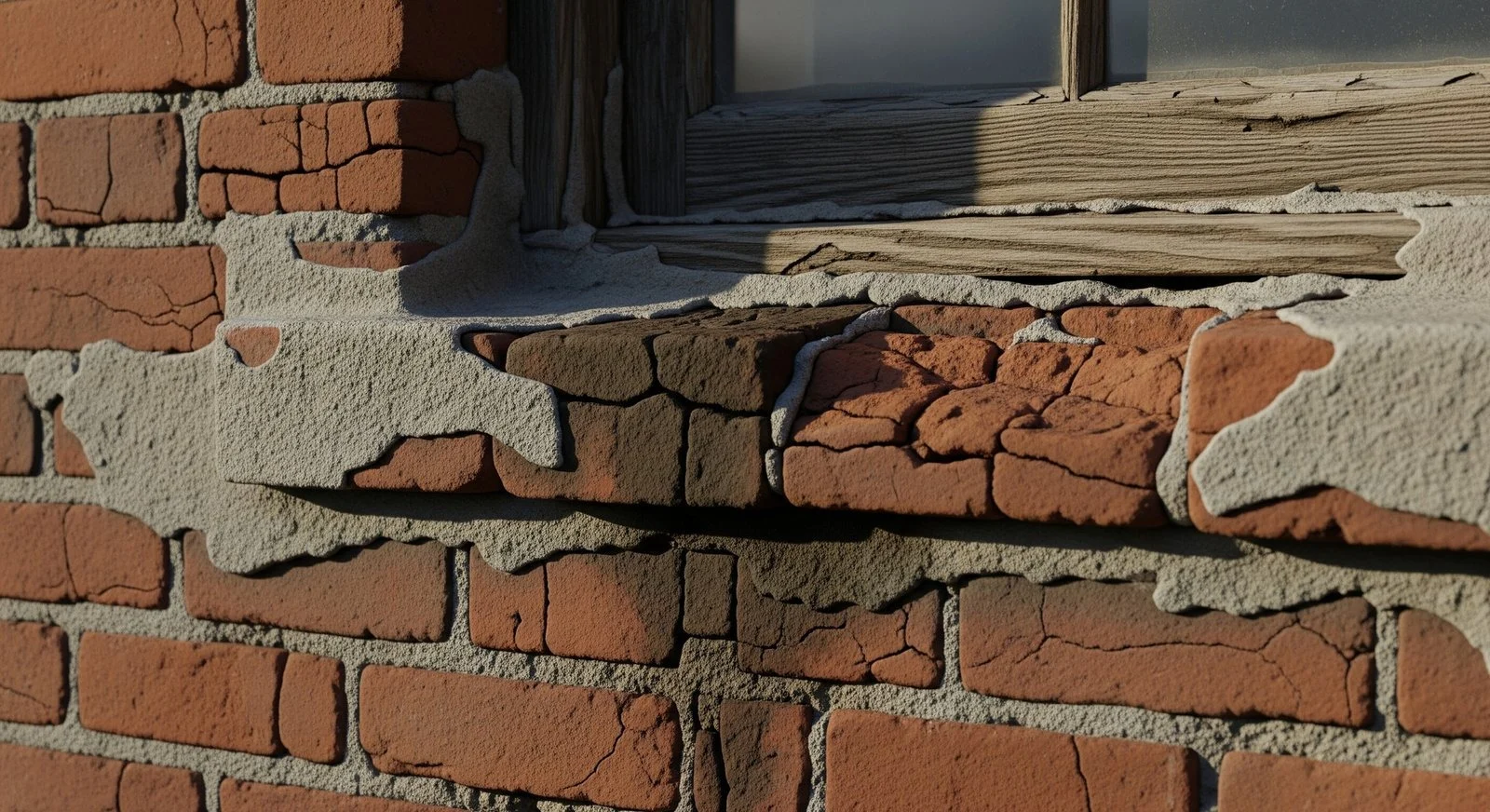
Older materials and methods, while often high-quality for their day, were not built for decades of constant stress without care. Sun, rain, wind, and natural settling break down exteriors over time. Cracked facades, failing sealants, and damaged stucco are more than cosmetic flaws-they point to deeper problems. Without repairs, these gaps let in water and weaken the structure.
Also, the core systems-plumbing, electrical, and HVAC-wear out. Original wiring often can’t handle today’s loads, and older pipes corrode or clog. Buildings from a century ago were not set up for modern use. Wear and age make failures likely unless you upgrade and maintain these systems.
Hidden Issues That Lead to Expensive Repairs
Many problems in older buildings stay out of sight until they become severe. Water damage is a prime example. A small roof leak or tiny pipe hole can soak walls and ceilings, leading to rot, mold, and structural damage. By the time you see it, the fix can be large and costly.
Slow movement in the foundation can cause hairline cracks, sticky windows, and sloped floors. People often brush these off as “old building quirks,” but they can signal real structural stress. These hidden issues call for close attention and, at times, input from specialists.
The Cost of Putting Off Maintenance
Delaying small repairs usually leads to bigger bills later. A tiny roof leak left alone can spread, causing mold, rotten framing, and ruined finishes-turning a simple patch into a roof and interior replacement.
The bill is more than parts and labor. It can mean business interruption, lower property value, safety risks, and, for historic places, loss of original features that you can’t get back. For owners of older buildings, ignoring small problems often multiplies the final cost.
Key Risk Areas for Costly Repairs in Older Buildings
Older buildings often have common weak spots. Knowing where to look helps you build a smart maintenance plan and avoid surprise failures.
Water Damage and Moisture Intrusion
Water is often the biggest threat. Many older buildings lack modern waterproofing. Moisture can come from burst pipes, failed barriers, roof leaks, or bad grading around the foundation. Once water gets in, it can cause mold, corrosion, and even pest problems.
It can also lead to foundation and structural trouble. Check pumps and plumbing for leaks, improve drainage, and watch for standing water or condensation to lower the risk.
Roof Leaks and Structural Weakness
Roofs take a beating over decades. Sun and storms crack membranes, loosen shingles, and cause ponding water. Often the first sign is a stain on a ceiling or a tenant complaint. A sagging or uneven roofline can mean bigger structural issues.
Plan roof care with twice-yearly checks for loose shingles, bad flashing, and clogged gutters. Catching problems early helps avoid major repair jobs.
Aging Electrical and Plumbing Systems
Old wiring may not support modern loads, causing flickering lights, tripped breakers, and fire risk. Old plumbing often leaks or corrodes and may cause low pressure. Because these systems hide behind walls, failures can be costly.
Regular inspections by licensed pros help spot problems before they spread. Replace outdated wiring and plumbing before they fail.
Compromised Foundation and Masonry
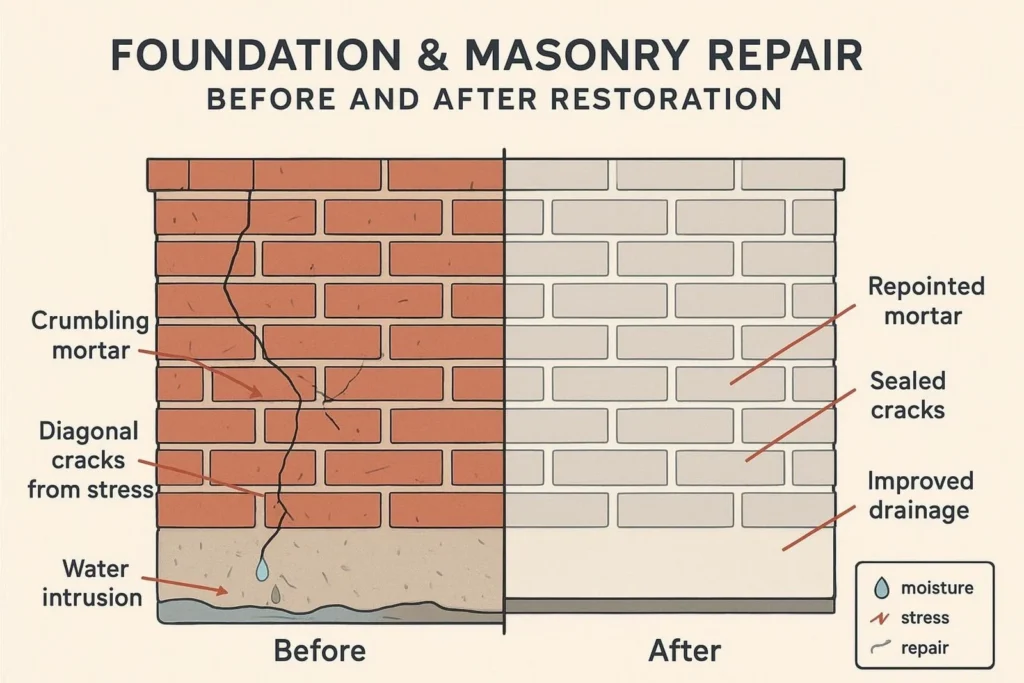
Foundations can shift with soil movement and water. Watch for wall cracks, diagonal cracks near windows and doors, and uneven floors. Masonry issues include crumbling mortar and cracked brick or stone. These openings let in water and speed up damage. Use the right mortar for repointing and repair masonry with compatible materials. Routine facade checks help you catch early warning signs.
Heating, Ventilation, and Cooling Failures
Without regular care, older HVAC systems run poorly and break down more often. Dirty filters, bad thermostats, and airflow problems raise energy bills and shorten system life. Poor humidity control also feeds moisture issues. Replace filters every three to six months and book yearly professional service. This helps avoid breakdowns and reduces energy use.
How to Identify and Address Small Problems Early
The best way to avoid big repairs is to spot and fix small problems right away. Move from a “fix it when it fails” mindset to a “keep it from failing” mindset.
Establishing Routine Interior and Exterior Inspections
Regular, structured inspections keep small issues from growing. Outside, walk the property. Look for cracked stucco, failing sealants, damaged flashing, loose shingles, and clogged gutters or downspouts. Plan roof checks twice a year.
Inside, check busy areas like lobbies and halls, plus basements, attics, and utility rooms. Watch for stains on ceilings or walls, musty smells, and cracks near windows and doors. Use a clear checklist so you cover every area on a regular schedule.
Spotting Early Symptoms of Structural Issues
Structural problems often show soft signals first. Look for diagonal cracks from window and door corners up toward the ceiling, sticky windows and doors, sloped floors, or gaps where walls meet ceilings. These signs point to movement in the building and call for a closer look. Bring in a structural engineer if you see these issues.
Moisture Monitoring and Leak Detection
Because water causes so much damage, watch moisture closely. Make sure the ground slopes away from the foundation to keep water from pooling. Place moisture meters and smart water sensors in basements, near pipes, and in attics to catch leaks early.
Check fixtures, pipes, and drains often. Fix even small leaks right away to avoid mold and rot.
How Preventive Maintenance Reduces Repair Costs
“An ounce of prevention is worth a pound of cure” fits older buildings well. A strong preventive plan saves money and extends the life of the property.
Benefits of Routine Inspections
Routine inspections catch issues while they are still small and cheap to fix. A small roof leak found early needs a quick patch instead of a full roof job and interior repairs later. Studies show preventive programs can cut maintenance costs by 10% to 40%.
Planned work also avoids emergency rates, rush shipping, and costly downtime. You also gain longer equipment life and fewer disruptions.
Establishing a Scheduled Maintenance Plan
A set schedule turns constant firefighting into a steady routine. Do HVAC filter changes, plumbing checks, and roof reviews on a set calendar. This cuts surprise failures and spreads costs over time.
For example, regular HVAC filter changes keep the system from overworking and failing early. Use past records to set the right service frequency so you avoid both neglect and unnecessary work.
Training Building Staff on Early Issue Detection
Your staff see the building every day. Train them to spot early signs like unusual smells, drips, or cracks, and to report them fast. Teach proper use of equipment and basic preventive tasks. Clear reporting steps and steady refreshers build a team that notices problems early and acts before damage grows.
Using Predictive and Preventive Technologies
Tools like Computerized Maintenance Management Systems (CMMS) help organize work orders, schedule tasks, and track parts. Sensors and condition monitoring can warn you before equipment fails. For example, sensors can flag HVAC performance drops or rising moisture.
While these tools need upfront spending, they pay off on busy or critical systems by timing maintenance to real needs and avoiding emergencies.
Effective Strategies to Prevent Expensive Repairs
Now, turn good habits into action. Use clear steps that stop small issues from becoming big repair jobs.
Prioritizing Repairs Based on Urgency and Risk
Some repairs can wait; others cannot. Safety issues and core services come first-think burst pipes or no heat in winter. Schedule minor items later to manage time and cost.
Rank work by:
- Safety risk
- How critical the asset is
- Impact on daily operations
- Cost if failure happens
Focusing on the highest-risk items first keeps small problems from turning into emergencies.
Using High-Quality Repair Materials
Cutting corners on materials often backfires. Durable parts and supplies may cost more now but reduce failures and replacements later. For historic buildings, use compatible products-for example, the right mortar for brick repointing-to protect both structure and appearance. Quality parts last longer and keep the building closer to its original look.
Contracting Qualified Vendors for Specialized Work
Older buildings often need skills beyond a general maintenance team. For complex electrical work, structural reviews, or historic restoration, hire specialists. This prevents safety risks and rework.
Choose vendors with experience on older or historic properties, and set clear terms like warranties, response times, and performance standards. Your in-house team can then focus on routine tasks while specialists handle the tricky work.
Practical Habits for Long-Term Cost Prevention
Good daily habits reduce long-term costs. Build routines that support early action and careful recordkeeping so your building stays stable over time.
Maintaining Detailed Maintenance Records
Treat the building’s history like a medical chart. Keep a log of inspections, repairs, costs, and photos. This record helps you see patterns, compare repair vs. replace choices, and negotiate better terms with vendors. These records also help with insurance after storms and with planning future capital projects.
Scheduling Inspections and Repairs Without Delay
Don’t wait once you spot a problem. A small crack, drip, or sticky window often points to something larger. Use CMMS reminders, set targets for completing tasks, and assign clear ownership. Plan preventive tasks in advance so they don’t get skipped. Track delays and fix the causes.
Promoting a Culture of Early Problem Reporting
Everyone in the building can help-staff, tenants, and cleaners. Show people what to watch for: new sounds, smells, stains, or changes in how things work. Make reporting simple and welcome every report, even small ones. This team mindset turns the whole building into an early warning system.
Reducing Costs While Preserving Historic Character
Owners of historic buildings must balance cost control with respect for original features. You can upgrade for safe, modern use while keeping the building’s story intact.
Evaluating and Protecting Original Materials
Original wood, brick, and plaster carry the building’s history. Study these materials to know their condition and value. Follow a “least intervention” approach: repair instead of replace when you can. For example, repair and repoint existing brick with compatible mortar rather than swapping it out. Protect original materials from water and use gentle cleaning and repair methods that fit their age and type.
Balancing Modern Upgrades with Preservation
Older buildings still need safe power, comfort, and efficiency. Upgrade systems in ways that respect the look and feel of the place. Hide wiring where possible and pick fixtures that match the style. Add efficient HVAC with discreet ducts and vents.
The U.S. Department of the Interior’s Standards for the Treatment of Historic Properties offer guidance, including “rehabilitation,” which allows repairs and additions that keep historic value while supporting new uses (adaptive reuse). The goal is to make the building safe and useful today without erasing its past.
Next Steps: Building a Cost-Effective Maintenance Plan
Set up a clear plan and stick to it. This is ongoing work that grows with the building. Your action list:
- Get a professional building review to map current conditions and risks.
- Create a seasonal checklist for interior and exterior inspections and routine tasks.
- Use a digital logbook or CMMS to record every inspection, repair, and expense.
- Train staff to spot early warning signs and report them fast.
- Build a network of trusted vendors with older and historic building experience, with clear terms and warranties.
By following these steps, you protect your building, keep costs under control, and preserve its value for the long term.
Frequently Asked Questions About Preventing Costly Repairs
Caring for older buildings brings many common questions. Here are clear answers that help control costs.
What maintenance tasks give the biggest cost savings?
Focus on the areas that fail most often and cause the most damage:
- Roof care: clean gutters, check shingles and flashing
- HVAC service: change filters, clean coils, test controls
- Moisture control: fix leaks fast, improve drainage, monitor basements and utility rooms
A McKinsey study found that predictive maintenance can cut equipment maintenance costs by 10% to 40%.
How much can regular inspections lower expenses in old buildings?
Regular inspections can reduce costs by catching problems before they grow. Planned fixes are cheaper than emergencies, avoid rush fees, and limit downtime. A small issue found during a routine check might cost a few hundred dollars; left alone, it can turn into tens or hundreds of thousands in damage.
Should you outsource building maintenance or keep it in-house?
Use a mix that fits your needs:
- Outsource when you need special skills (historic masonry, complex electrical), when the workload is too high, or when training staff would cost more than hiring a contractor.
- Keep routine tasks in-house for faster response and better knowledge of the building.
A hybrid model often works best: in-house for daily care, vendors for specialized or large projects.
How do planned repairs compare to emergency fixes in cost?
| Cost Area | Planned Repair | Emergency Fix |
| Labor | Standard rates | Overtime and call-out fees |
| Parts | Normal pricing and lead times | Expedited shipping and premiums |
| Downtime | Scheduled, limited impact | Unplanned, higher disruption |
| Budget Impact | Predictable, spread over time | Large, sudden hits |
Planned work almost always costs less and causes fewer disruptions.
When is replacement more cost-effective than ongoing repair?
Replace when frequent breakdowns, long downtime, or rising repair bills outpace the price and benefits of a new unit. Track measures like mean time between failures, maintenance cost per asset, and the share of reactive vs. preventive work. If repairs approach about 50% of the replacement cost-or if a new, efficient unit will lower energy and service costs-replacement often makes financial sense.

