

Last updated on July 20th, 2025 at 03:36 am
Buying a Valorant account can be tempting, especially if you’re trying to skip the grind and jump straight into higher ranks, access rare skins, or start fresh. But the market is full of scams, fake sellers, and shady deals. If you’re not careful, you could end up losing your money, your personal data, or both. This guide will help you recognize the warning signs of a scam and identify what to look for in a legitimate seller.
Unrealistic Prices Are a Major Red Flag
If a deal looks too good to be true, it probably is. Scammers often lure buyers with extremely low prices, offering high-rank accounts or ones packed with skins at a fraction of their actual value. A legit account with rare skins or a high rank takes time and effort to build, Valorant Accounts. If you see prices that are way below average, it’s a strong sign something isn’t right.
Vague or Incomplete Account Details
A trustworthy seller will provide clear, detailed information about the account they’re selling. This includes rank, region, email status (original or not), number of skins, agents unlocked, and the account’s level. If a seller offers only minimal details or avoids answering your questions, it’s a red flag. Vague listings are often used to mislead buyers or hide the fact that the account doesn’t even exist.
Pressure to Buy Quickly
Scammers often try to rush you into making a purchase without thinking it through. They’ll say things like “limited stock,” “someone else is interested,” or “you have to decide now.” This pressure is designed to push you into buying before you’ve had time to research. A legit seller won’t mind if you take your time and ask questions. They know good products speak for themselves.
No Proof or Screenshots
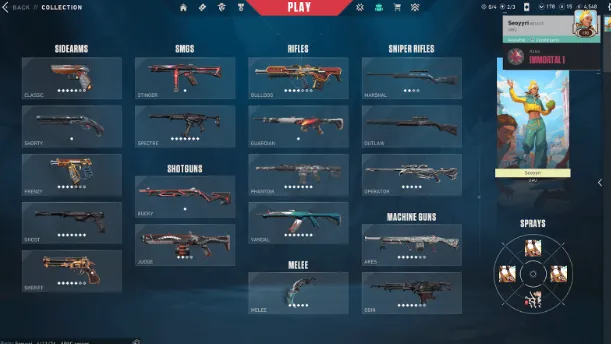
Legit sellers usually provide screenshots showing the account’s inventory, rank, level, and email ownership status. These images help build trust and show they actually own the account. If a seller refuses to show proof or sends generic images found online, it’s a strong indicator of a scam. Always ask for recent, verifiable screenshots before making a deal.
Poor Communication or Suspicious Behavior
The way a seller communicates says a lot. If they dodge questions, give inconsistent answers, or act defensive when you ask for details, that’s a red flag. Watch for spelling and grammar errors too—many scam profiles use poor language or auto-translated messages. A legit seller will be clear, professional, and patient.
No Middleman or Secure Payment Options
Scammers often insist on sketchy payment methods like cryptocurrency, gift cards, or direct money transfers. These are hard to trace and offer no buyer protection. They may also avoid using middleman services that hold the payment until both parties are satisfied. A legit seller is usually open to secure payment methods and understands the need for buyer protection.
New or Suspicious Seller Profiles
A seller’s history matters. Profiles that are brand new, have no reviews, or have suspicious feedback should raise concern. Even if the seller has a few positive reviews, be cautious if they all sound generic or are posted within a short time span. Scammers can fake testimonials to look more trustworthy than they actually are.
No Return or Refund Policy
Legitimate sellers usually have a clear policy on returns or refunds in case something goes wrong. Scammers often don’t offer any kind of guarantee, or they’ll promise refunds but vanish after the sale. Before you buy, ask what happens if the account is recovered by the original owner, banned, or not as described. If they dodge the question, walk away.
Refusal to Use Email Change Services
Ownership of a Valorant Accounts depends heavily on email control. A legit transaction includes transferring the original email account or allowing you to change it. If a seller refuses to provide access to the original email or says it’s “not necessary,” it’s a huge red flag. They could reclaim the account at any time after the sale, leaving you with nothing.
Feedback That Looks Fake or Forced
Many scammers pad their profiles with fake feedback to look credible. If all the reviews sound the same, are overly positive, or seem robotic, be suspicious. Genuine reviews usually vary in tone, detail, and language. It’s better to rely on reviews from verified buyers or people you trust than to believe a wall of five-star ratings with no substance.
Constantly Changing Usernames or Profiles
Another tactic scammers use is constantly switching usernames or account handles to avoid getting flagged. If you notice the seller has gone by multiple names or recently changed their profile image, it could be an attempt to wipe out negative feedback or avoid bans. Stick to sellers with a stable presence and consistent identity.
Selling in Bulk or Copy-Paste Listings
Some scammers list dozens of accounts using the exact same descriptions, often copy-pasted across listings. Real sellers usually take the time to personalize each listing with accurate info. Bulk sellers who use cookie-cutter descriptions are often trying to hide the fact that they don’t actually own the accounts or are reselling recycled ones that might be compromised.
Dodging Post-Sale Support
A legit seller doesn’t disappear after the transaction. They’ll usually offer some level of support if issues arise shortly after the sale. Scammers vanish the moment they get paid. If the seller says things like “No support after sale” or “Once sold, it’s your responsibility,” that’s a bad sign. Sellers who care about their reputation are more willing to help after the deal.
Conclusion: Stay Smart, Stay Safe
The Valorant account market can be a minefield if you’re not careful. While there are legitimate sellers out there, they’re often drowned out by scammers looking for quick cash. Spotting the red flags—like vague info, unrealistic prices, poor communication, and refusal to use secure methods—can help you avoid getting burned. Take your time, ask the right questions, and trust your instincts. If something feels off, it probably is. It’s better to miss out on a deal than to lose your money or risk your personal security.

