

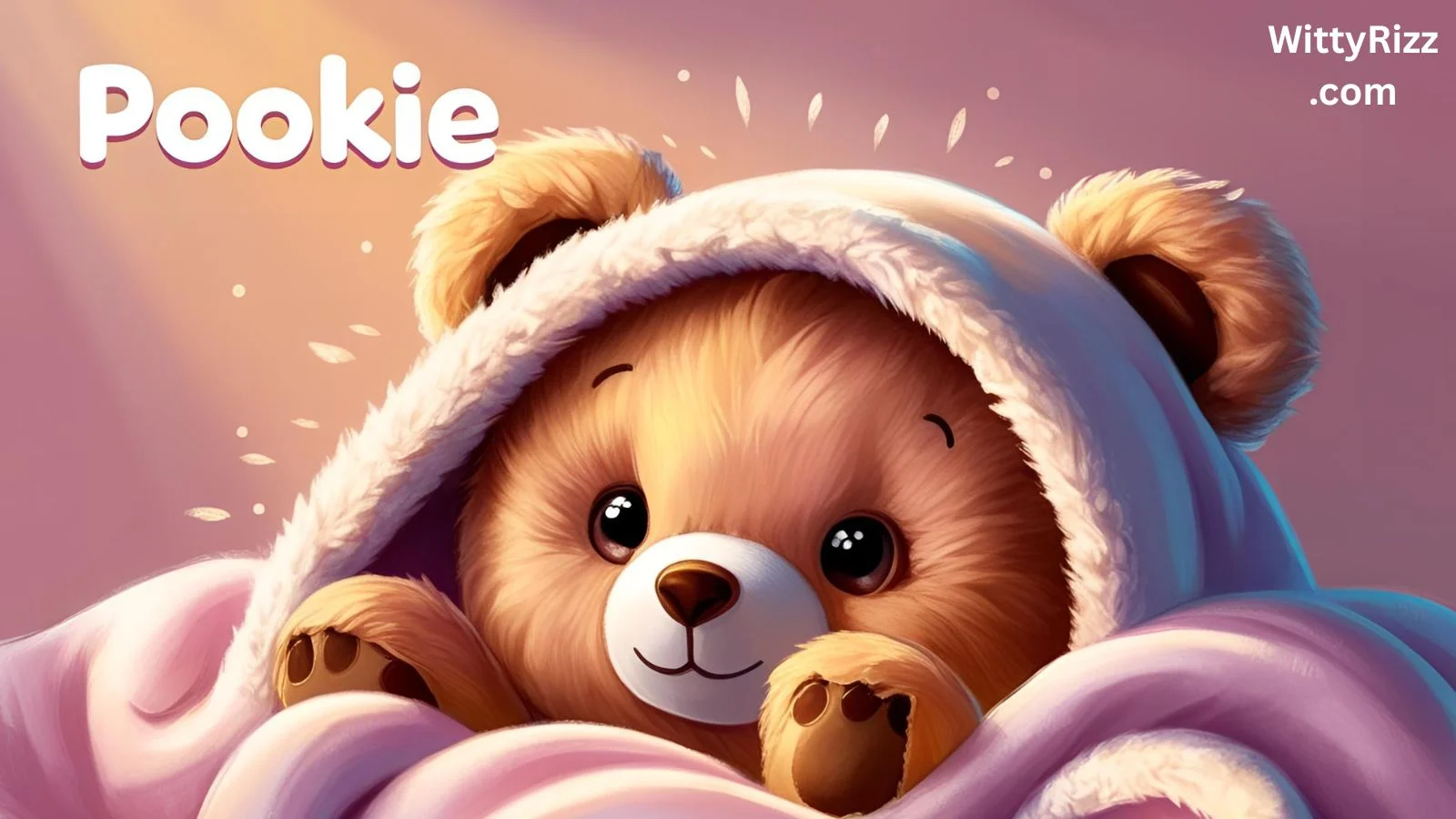
The term “pookie” might seem like just another cute, playful nickname or endearing term. However, it has a range of meanings, connotations, and uses, depending on context.
Whether you’re using it in a playful conversation with a loved one or in a more professional setting, understanding the full scope of what “pookie” means and when it’s appropriate to use it is key.
This article will delve into the meaning of “pookie,” its usage in text, and provide alternatives that you can use depending on the tone, formality, and the relationship you share with the person you’re addressing.
What Does Pookie Mean?
In its most common and widely recognized usage, “pookie” is an affectionate or playful nickname, often used between romantic partners, close friends, or family members.
It conveys a sense of warmth, endearment, and familiarity, typically reserved for those with whom you have a close or intimate relationship.
However, the meaning and connotations of “pookie” can vary depending on context, and the term can be used in different ways in text conversations. It’s important to understand that the tone, relationship, and nature of the conversation will influence how the term is perceived.
1. Pookie as a Nickname
The most common usage of “pookie” is as a pet name or nickname, used to show affection or closeness. It’s often employed in casual, informal conversations between partners or friends.
- Example: “Good morning, my pookie! Hope you have a wonderful day!”
In this context, it’s a sweet and playful way to greet someone.
2. Pookie as a Term of Endearment
In relationships, especially those with a sense of comfort and intimacy, “pookie” can serve as a term of endearment, much like “sweetie” or “honey.”
- Example: “I love you so much, pookie. Can’t wait to see you tonight!”
It emphasizes affection and emotional closeness.
3. Pookie in Texting
The usage of “pookie” in text messages tends to be lighthearted and casual. It’s often seen in conversations between friends, partners, or family members who share a bond of affection.
- Example: “Hey pookie, I just finished the movie! It was awesome!”
This implies that the person being addressed is special, and it adds a playful tone to the conversation.
4. Pookie as an Expression of Caring
In some cases, “pookie” is used to express care and concern, especially when someone is feeling down or unwell.
- Example: “I’m so sorry you’re feeling sick, pookie. Get well soon!”
Here, it conveys a sense of nurturing, warmth, and empathy.
5. Pookie as a Casual, Fun Expression
In more laid-back or casual conversations, “pookie” may simply serve as a fun, lighthearted term without deep romantic or affectionate intent.
- Example: “What’s up, pookie? Let’s hang out this weekend!”
This could just be a playful and easygoing way to address someone, even if they’re not a close friend or romantic partner.
Exploring Alternatives to “Pookie”
While “pookie” can be an endearing and affectionate term, there are plenty of other words and phrases that can serve similar purposes, depending on the context, relationship, and tone of the conversation. Below, we’ll explore a variety of alternatives that you can use to express affection or warmth in both professional and informal settings.
1. Sweetheart
A classic term of endearment, “sweetheart” is often used in romantic contexts but can also work in friendly settings to convey warmth and kindness.
- Example: “Hey, sweetheart, how was your day?”
It’s a great choice if you’re seeking a bit more formal yet affectionate tone.
2. Love
Simple, timeless, and versatile, “love” is commonly used between romantic partners but can also be used among close friends or family.
- Example: “You’re the best, love! Thanks for helping me out.”
It’s a more neutral but affectionate alternative.
3. Darling
“Darlings” are cherished, loved ones. It can be used both in romantic relationships and when addressing someone you’re fond of, adding a touch of old-fashioned charm.
- Example: “Goodnight, darling. Sleep well!”
It adds a formal and elegant tone to the exchange.
4. Babe/Baby
Often used in romantic contexts, “babe” or “baby” adds an intimate and affectionate touch to any conversation.
- Example: “Hey, babe, I made your favorite dinner tonight!”
A go-to option for lovers looking to convey closeness.
5. Honey
“Honey” is widely used as a term of endearment and can work for romantic partners, family, or close friends.
- Example: “I miss you, honey. Can’t wait to see you tomorrow!”
It carries a loving, caring tone that can brighten someone’s day.
6. Cutie
“Cutie” is playful and fun, often used to show appreciation for someone’s appearance or personality.
- Example: “You’re such a cutie! I love spending time with you.”
It’s ideal for casual interactions and adds a touch of charm to your words.
7. Pumpkin
A playful, endearing term that works well between couples or even parents and their children. It’s not as widely used as some others, so it can stand out.
- Example: “Good morning, pumpkin! Hope you sleep well.”
A sweet alternative that adds a fun, affectionate twist.
8. Babycakes
“Babycakes” is another lighthearted and playful term, great for those who like to keep things casual but endearing.
- Example: “You’re amazing, babycakes! Thanks for being there for me.”
It’s fun, energetic, and shows affection.
9. Sugar
“Sugar” is a sweet and affectionate nickname that can be used in various contexts, from romantic relationships to friendly exchanges.
- Example: “I miss you so much, sugar. Let’s catch up soon!”
It adds warmth without being overly formal.
10. Angel
“Angel” conveys a sense of admiration and is often used when expressing fondness or affection.
- Example: “You’re my angel. Thank you for everything you do.”
It adds a soft, gentle touch to your words.
11. Cherub
“Sweet cherub” is an old-fashioned yet delightful way to express affection, and it can be an adorable way to address someone close to you.
- Example: “You’re such a little cherub, making me smile every day.”
It’s a term that can bring a smile and brighten a day.
Conclusion
The term “pookie” is just one of many playful, affectionate nicknames that can help you express your feelings to someone special.
Whether you’re in a romantic relationship, a close friendship, or just sharing a lighthearted moment with someone, the language you use plays an essential role in shaping the tone of the conversation.
From “sweetheart” to “babycakes,” each term carries its own unique nuance, allowing you to choose the best fit for any situation. The key is to select a term that matches the relationship, context, and tone of the conversation.
Remember, while terms like “pookie” may work well in informal and affectionate settings, choosing the right words in more professional or formal situations can also strengthen your communication.
Understanding the nuances of these words will help you convey your feelings more effectively.

