

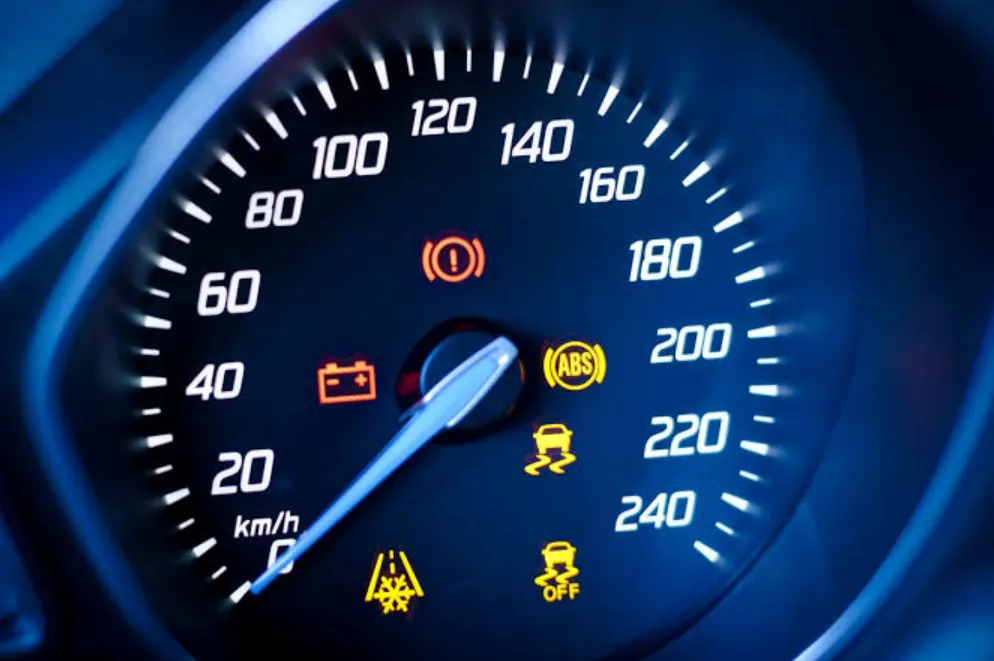
A dashboard warning light is not the opening move in a sales pitch. Plenty of first-car owners assume it is, and that assumption is the expensive one. The light comes on because a sensor measured something outside its range, which is a fact about the car and not an opinion about your wallet. Weeks of ignoring it do not make the underlying fault any smaller. If you commute to class in a used sedan near 120,000 miles, book a diagnostic-first auto repair Toledo OH shop instead. The good ones read the actual code and quote the fix before anyone touches a wrench. A diagnosed small fault costs less than the failure it grows into, and that gap is the entire argument here.
Ignoring the Light Feels Free but It Isn’t
The myth sounds reasonable enough on a student budget. A shop wants an excuse to find $900 of work on a car worth $3,000, so the light is bait. A decade ago that suspicion made more sense, because reading a code meant owning a scanner nobody else had. You handed over the keys and waited to hear what was wrong. Now a parts counter will pull the code in the lot for free, so you can walk into a service bay already knowing the five characters involved. What changed is who holds the information, not what the actual repair ends up costing. The people qualified to interpret it are not scarce either, and an April 2026 AAA release counted roughly 220,000 ASE Certified professionals across shops, dealerships and fleets.
In practice, the light that gets ignored longest is the cheap one to fix. A cracked evaporative hose, a lazy oxygen sensor, an ignition coil starting to stumble: those rarely strand you the week they appear. They strand you later, usually on the morning of a final or the first cold snap in November (and yes, it always waits for the worst possible week). A stale light also hides the next one, since a car with a stored code cannot flag a second fault clearly.
The Real Math of a Delayed Repair
Run the numbers on a common one and the argument stops being abstract. Say a shop charges $110 to diagnose, the sensor is $95, and the labor to swap it is another $130. That comes to $335 all in, a bit more than two months of a $150 car budget. Let that sensor run the engine rich for half a year and the unburned fuel cooks the catalytic converter. A converter job on an older sedan can land well north of $1,500. The repair itself never became more complicated, and you simply bought two parts instead of one.
Preventive service is the cheap half of the same idea. The University of Alabama’s fleet maintenance standard puts routine service at every 3 months, 3,000 miles, or 300 idle hours, whichever comes first. That is tighter than most students run their cars, and nobody expects a commuter sedan to follow a fleet schedule. Any auto repair Toledo OH shop worth the drive will say the same thing in plainer words. Small checks on a calendar beat big surprises on a flatbed.
What the First Month Back Looks Like
Dealing with the light is far less dramatic than putting it off. The first visit is mostly reading and talking, so the scan pulls the stored code and a technician confirms what is actually failing. You leave with a written price instead of a vague estimate. Within the first week you either have the repair done or a decision you can plan around on a student budget. Week two is the quiet stretch, and a corrected fuel trim tends to show up at the pump before it shows up anywhere else.
By month three the valuable thing is the paperwork, not the part. You have a code, a date, a part number and a price, so the next warning light gets compared against something. Ask what the warranty covers before you pay. The same code returning within 90 days should be a short conversation at a shop that stands behind its work. Terms differ from shop to shop, so read the one you are handed rather than assuming any standard coverage applies.
Small Fixes Now Beat Big Bills Later
The distance between a $335 sensor job and a four-figure converter is timing, not luck. A shop that shows you the readout before quoting has handed you the one thing that makes its price checkable. Ask for the code, ask what it means, and ask what happens if you wait another month. Specific answers put you in the right place, and the light on your dash goes back to being an early warning you can still afford to act on.

