

Last updated on June 29th, 2026 at 03:44 pm
Fossils offer a rare window into prehistoric life, helping scientists understand animals that lived millions of years ago. Among the most fascinating discoveries are fossils of creatures capable of flight, which reveal how some ancient reptiles adapted to life in the air long before modern birds appeared. These findings continue to reshape scientific understanding of evolution, anatomy, and prehistoric ecosystems.
Interest in flying dinosaurs remains strong because fossil discoveries provide clues about how flight developed and spread across different regions of the ancient world. Although many of these animals are technically classified as pterosaurs rather than true dinosaurs, they are often grouped together in popular discussions due to their shared prehistoric origins and remarkable flying abilities.
Understanding Flying Reptiles Of The Prehistoric World
Before exploring where fossils have been found, it helps to understand what these creatures actually were.
Were Flying Dinosaurs Really Dinosaurs?
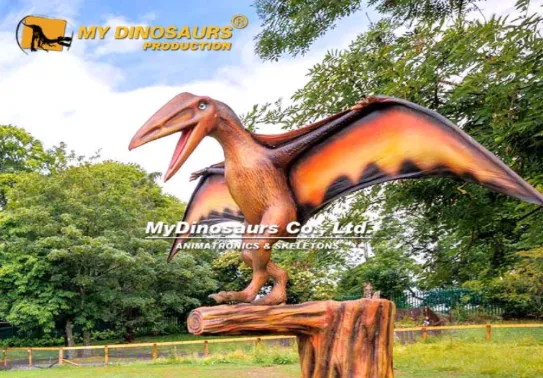
Many animals commonly referred to as flying dinosaurs belonged to a group called pterosaurs. These winged reptiles lived during much of the Mesozoic Era and shared the environment with dinosaurs but were not dinosaurs themselves.
Pterosaurs developed specialized adaptations that allowed powered flight, including lightweight bones, strong chest muscles, and large wing membranes supported by elongated fingers.
Why Fossils Matter
Fossils provide evidence about:
| What Fossils Reveal | Importance |
| Body structure | Understanding anatomy |
| Habitat preferences | Reconstructing ecosystems |
| Flight adaptations | Studying evolution |
| Geographic distribution | Tracking prehistoric species |
Each new fossil discovery helps scientists fill gaps in the prehistoric record.
Major Flying Dinosaur Fossil Sites Around The World
Fossils of flying reptiles have been discovered on nearly every continent, revealing that these animals occupied a wide range of environments.
China
China has become one of the most important locations for prehistoric fossil discoveries.
The Liaoning Province is particularly famous for preserving exceptionally detailed fossils. Fine volcanic sediments helped preserve feathers, skin impressions, and delicate skeletal structures that rarely survive in other fossil deposits.
Several important flying reptile species have been identified in this region, helping researchers better understand early flight evolution.
Germany
Germany’s Solnhofen Limestone deposits are among the world’s most famous fossil sites.
These ancient lagoons created ideal conditions for preserving fragile remains. Numerous pterosaur fossils have been recovered from the area, including exceptionally complete skeletons.
The region has also produced fossils of Archaeopteryx, one of the most significant transitional species in the study of flight evolution.
Brazil
Brazil contains several important fossil formations that preserve prehistoric flying reptiles.
Many fossils discovered in northeastern Brazil show remarkable detail, including soft tissue impressions and wing structures. These finds help scientists study how pterosaurs flew and adapted to different environments.
The Araripe Basin remains one of the most productive fossil sites for flying reptiles anywhere in the world.
Flying Dinosaur Fossils Found In North America
North America has also produced numerous discoveries that contribute to the understanding of prehistoric flight.
United States Discoveries
Several western states have yielded important pterosaur fossils.
Notable fossil-rich regions include:
- Kansas
- Texas
- Montana
These areas were once covered by shallow inland seas that supported diverse prehistoric ecosystems.
Large pterosaurs with impressive wingspans have been identified from these deposits, demonstrating the remarkable scale some flying reptiles achieved.
Canada
Canadian fossil discoveries have provided additional evidence of pterosaur diversity.
Although fossils are less common than in some other regions, discoveries continue to improve understanding of how flying reptiles adapted to northern environments during the Late Cretaceous Period.
Discoveries In Other Parts Of The World
Flying reptile fossils have been found far beyond the most famous fossil sites.
Argentina
Argentina contains several significant fossil formations that preserve pterosaurs and other prehistoric animals.
These discoveries help scientists understand how species evolved across the ancient southern continents. Fossils found in South America often reveal different evolutionary paths compared to those found in Europe and Asia.
Africa
Although fossil discoveries are less abundant in some African regions, important specimens have still been recovered.
Researchers continue exploring fossil-rich formations that may reveal new information about prehistoric flight and ecosystem diversity across ancient Africa.
Australia
Australia’s fossil record includes evidence of flying reptiles that lived during the age of dinosaurs.
Although discoveries remain relatively rare compared to other continents, each new find provides valuable insights into how these animals spread across the globe.
What Fossils Reveal About Flight
The locations where fossils are found help researchers understand much more than geographic distribution.
Adaptations For The Air
Flying reptile fossils reveal numerous adaptations associated with flight.
Scientists have identified:
| Flight Adaptation | Purpose |
| Hollow bones | Reduced body weight |
| Large wings | Improved lift |
| Strong shoulder joints | Enhanced maneuverability |
| Lightweight skulls | Better balance during flight |
These adaptations demonstrate how specialized many pterosaurs became.
Different Species Occupied Different Niches
Fossils show that not all flying reptiles lived the same way.
Some species likely hunted fish near coastlines, while others may have searched for food inland. Differences in skull shape, wing design, and body size suggest a wide variety of ecological roles.
This diversity helps explain why flying reptiles remained successful for millions of years.
How Fossil Discoveries Continue Today
Paleontology remains an active field of research, and new discoveries occur regularly.
New Technology Improves Research
Modern scientific techniques allow researchers to study fossils in greater detail than ever before.
Advanced imaging methods help scientists examine internal structures without damaging specimens. Digital modeling also allows researchers to reconstruct skeletons and test theories about flight mechanics.
These technologies continue expanding knowledge of prehistoric animals.
Museum Collections Remain Important
Many discoveries come not only from new excavations but also from reexamining fossils already stored in museum collections.
Specimens collected decades ago may reveal new information when studied using modern methods. This means valuable discoveries can still emerge even from fossils that have been known for many years.
Why Flying Dinosaur Fossils Capture Public Interest
Flying reptiles represent one of the most remarkable evolutionary achievements in Earth’s history.
A Connection To Ancient Skies
The idea of giant winged reptiles soaring above prehistoric landscapes continues to capture the imagination of people around the world.
Their unusual appearance, impressive wingspans, and unique adaptations make them among the most recognizable prehistoric animals ever discovered.
Continuing Scientific Importance
Every new fossil contributes to a larger understanding of evolution, biodiversity, and prehistoric ecosystems.
Scientists continue studying fossil discoveries to better understand:
- How flight evolved
- How species adapted to changing environments
- How ancient ecosystems functioned
Each discovery adds another piece to the story of life on Earth.
Conclusion
Fossils of flying dinosaurs and pterosaurs have been found across the globe, from China and Germany to Brazil, North America, Argentina, Africa, and Australia. These discoveries reveal that flying reptiles occupied a wide range of environments and developed remarkable adaptations that allowed them to thrive for millions of years.
As new fossil sites are explored and technology continues advancing, scientists are uncovering even more details about these extraordinary prehistoric creatures. The ongoing study of flying dinosaurs remains one of the most exciting areas of paleontology, offering fresh insights into the ancient world and the evolution of flight.

